
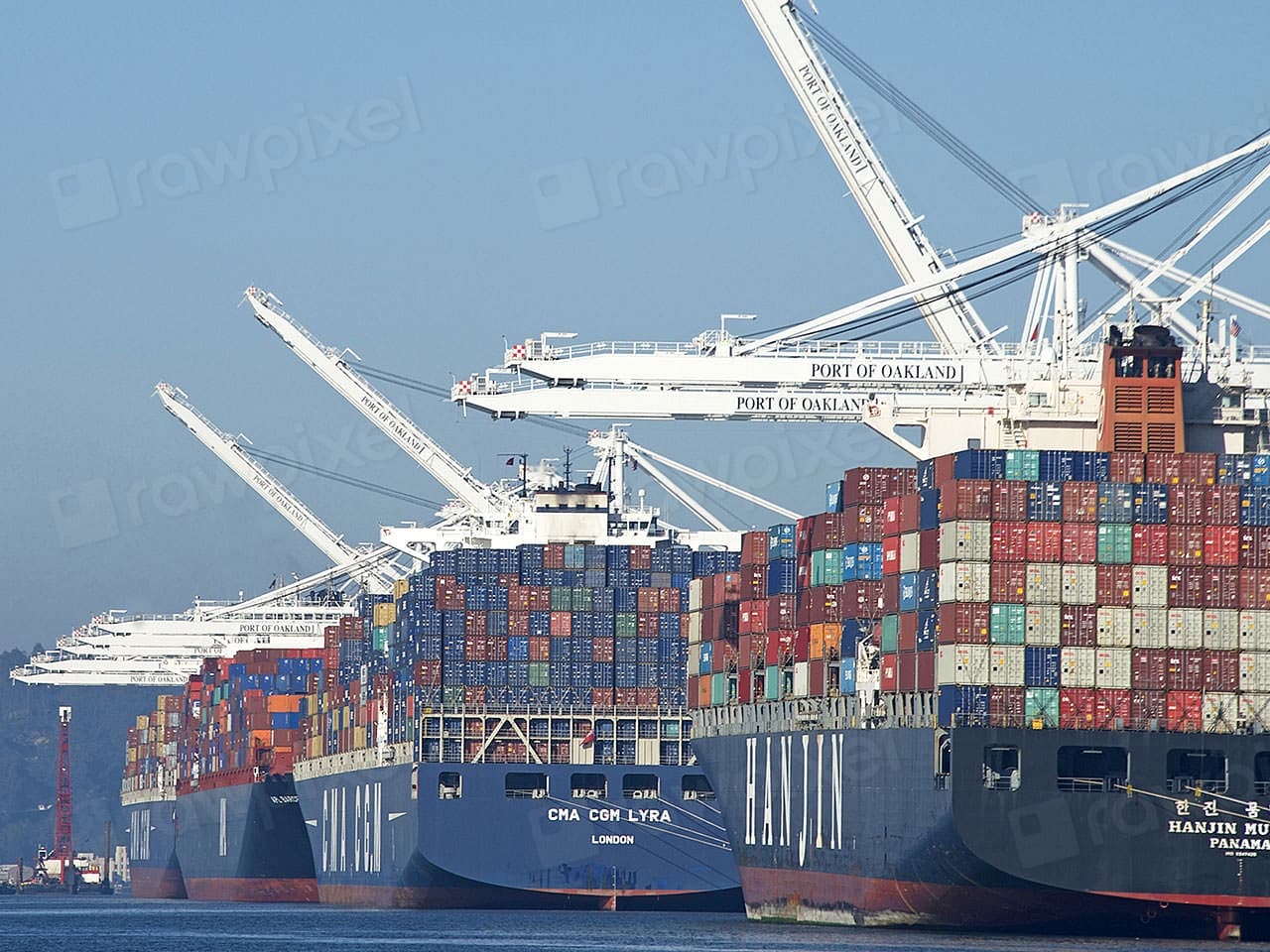
Ask most planning tools for the best route and they will hand you the shortest one. It is a satisfying answer, and it is usually wrong. Distance is a proxy for cost, and it is a poor one the moment a port queue, a curfew or a customs query enters the picture.
What the model actually optimises
Our router scores each candidate path against four terms: landed cost, expected dwell, carbon per tonne-kilometre, and the variance of the arrival distribution. The last one matters more than people expect. A lane that is reliably four days beats a lane that averages three but occasionally takes nine, because the customer plans against the promise, not the mean.
- Landed cost including duty, demurrage and detention risk
- Expected dwell at each transhipment point, learned per facility
- Carbon per tonne-kilometre by mode and actual vessel or airframe
- Variance — because a promise you can keep is worth paying for
“A lane that is reliably four days beats a lane that averages three but occasionally takes nine.”
Re-solving, not planning once
The other half of the problem is that a route decided at booking is stale within hours. We re-solve every active consignment on a rolling window, and when a better path clears the switching cost, we take it and tell you afterwards. Nine times out of ten the customer never learns there was a problem, which is the entire point.